Most people hear “Christmas Island” and picture red crabs, palm trees, and postcard magic. The truth is far stranger, far darker, and almost completely forgotten. I stumbled into this story recently and, honestly, it grabbed me. So here it is, the version nobody talks about.
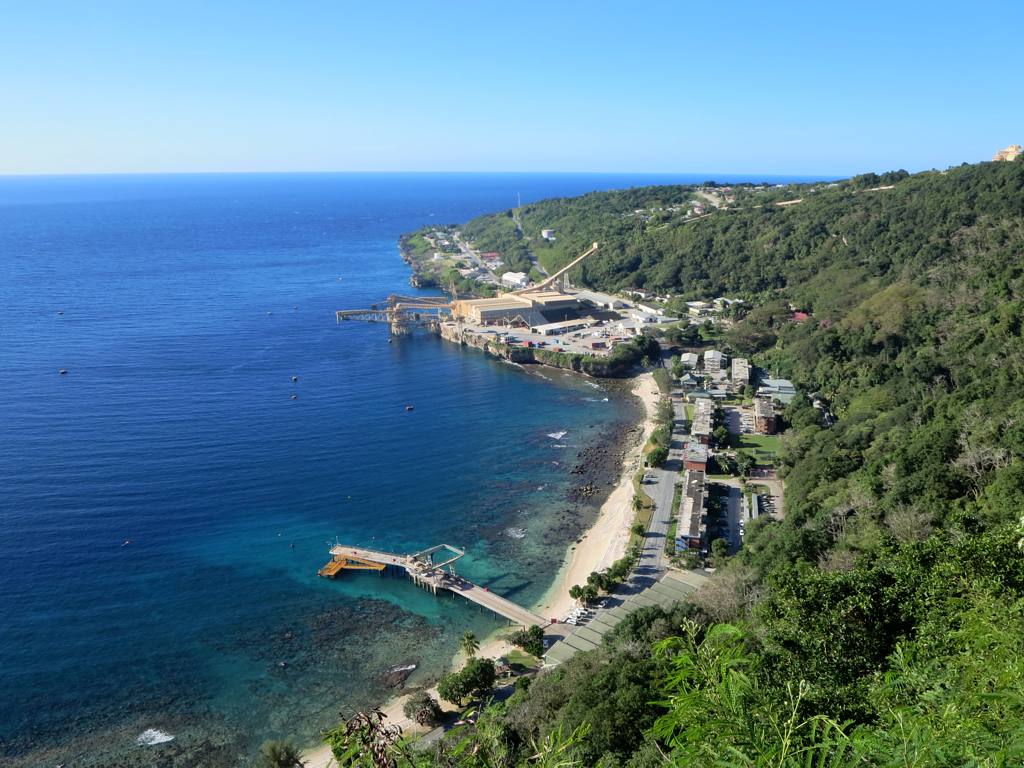
Long before tourism brochures and detention centres, Christmas Island was a lonely rock in the Indian Ocean; so steep and remote that even passing sailors could not be bothered trying to land there. For centuries it just sat there, untouched, uninhabited, and ignored.
Everything changed the moment the British discovered something valuable beneath the jungle.
Phosphate.
High grade, world class phosphate.
The stuff that made global agriculture boom.
By the 1890s, Britain had annexed the island, carved out mining leases, and turned Christmas Island into a company run outpost dedicated entirely to digging it up. But there was a problem, the island had no population. So colonial logic kicked in, and a workforce was imported.
And that is where the real story begins.
The Chinese Who Built the Island Nobody Was Meant to Live On
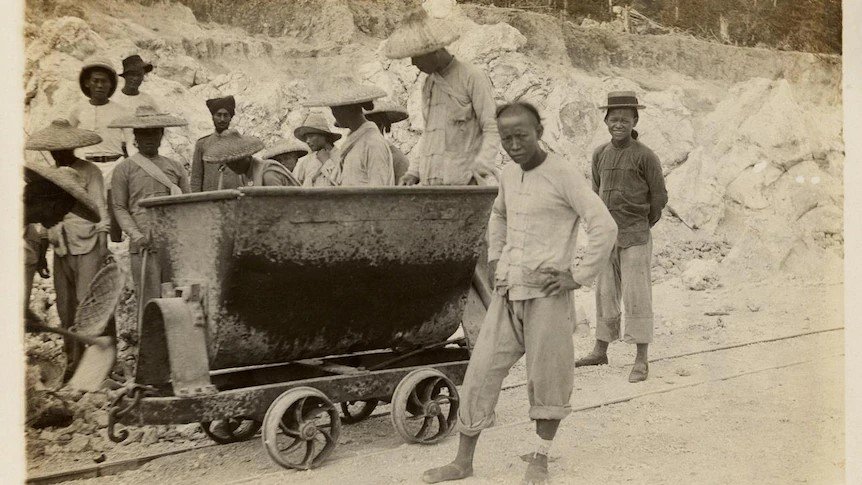
Thousands of men, mostly from southern China, arrived on three year contracts. The companies called it labour recruitment; historians today call it what it was, indentured servitude, a polite phrase for a system that looked and behaved like slavery.
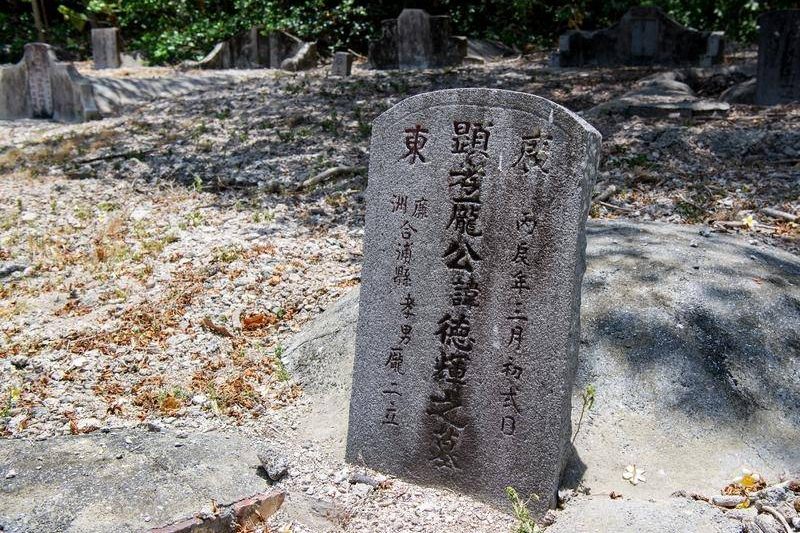
Workers lived in crowded barracks, worked crushing hours in brutal heat, inhaled phosphate dust, and buried their dead in cemeteries that still stand today. If you visit the island now, the Chinese cemetery is one of the most powerful reminders that these men lived, worked, suffered, and often never made it home.
But the most shocking part is not the mining, it is the way the colonial administration managed the workforce.
Opium as a Management Tool
Opium use among Chinese migrants in Southeast Asia was already common, but on Christmas Island it was encouraged and regulated by the authorities. Opium kept workers compliant. It reduced resistance. It quietly solved unrest without the need for force, at least that was the theory.
The colonial government taxed it. The company tolerated it. And addicted labourers were easier to control.
When people talk about Australia’s forgotten histories, this one is right up there.
A Segregated Island Built on Phosphate and Power
By the 1920s and 1930s, Christmas Island was a racial hierarchy carved into the landscape.
- Europeans at the top
- Japanese engineers next
- Skilled Chinese below them
- Unskilled Chinese labourers further down
- Malay and Indian workers at the bottom
Separate housing, separate stores, separate pay scales, separate everything.
Christmas Island was not a holiday paradise, it was a machine, and the workers were the fuel.
And when they resisted, things turned violent.
The 1915 Uprising That No One Talks About
Conditions were so harsh that Chinese workers eventually snapped. In 1915 they demanded better pay and treatment. The British authorities panicked. Shots were fired. Several workers were killed.
The incident was buried in paperwork, but never forgotten by the Chinese community. It also made conditions even harsher afterwards. Colonial systems rarely reacted with compassion.
By the eve of WW2, Christmas Island had become a strange, isolated, tightly controlled world, a company town floating in the ocean, populated mostly by men who had no real choice and no real future there.
Why This Story Matters Today
Every December we hear the same line, that Christmas Island is famous for crabs. And sure, the crabs are incredible. But beneath the forest floor, beneath the neat houses and modern facilities, sits the human story of a workforce that was exploited, managed through addiction, and largely written out of mainstream Australian memory.
The Chinese did not just work on Christmas Island, they built it. They shaped its culture, its cemeteries, its temples, and its identity long before Australia administered it.
Their story deserves to be remembered.
History is not just what happened, it is what we choose to tell. And for far too long, this part of the Indian Ocean has been silent.
A Final Thought
I like digging into these forgotten corners of history because they remind us how different the world really was, and how many stories never made it into the official version. Christmas Island looks peaceful today, but its foundations were carved by men who worked in conditions we would never tolerate now.
Remembering them is the least we can do.
 \
\